

.jpg)
On June 22, a virtual reality project by Atlantic Fellows received international recognition. “The Animated Book of Genocides: Girl Earth Fire Time and Between the Wall and the Sides” was honored with a special mention in the Digital Humanity category in Prix Ars Electronica 2026, a globally renowned media art competition.
Fellows created a virtual reality animation that explores harrowing chapters of human history as visceral experiences. It examines the systemic roots of genocide, moving between ancestral and earthly realms. The 360 film challenges the idea that mass violence is inevitable and asks what it might take to create a different future. Can we bridge the borders and boundaries we humans have made?
Genocide is one of the weightiest topics artists could ever explore. However, “Girl Earth Fire Time” invites audiences to imagine new possibilities, new systems and new ways of breaking cycles of harm.
This VR experience was a collective endeavor, a major collaborative exercise that drew on the expertise and feedback of Fellows from across the seven Atlantic Fellows programs. It all started in 2021 when Atlantic Fellow for Equity in Brain Health, Dana Mashoian Walrath, and Atlantic Fellow for Racial Equity, Dylan Valley, met for the first time in a breakout room of a Zoom session, “Being Human When Digital,” hosted by the Atlantic Institute. Dana shared her mission as an Armenian-American writer, artist and anthropologist: to challenge the idea that genocide is inevitable.
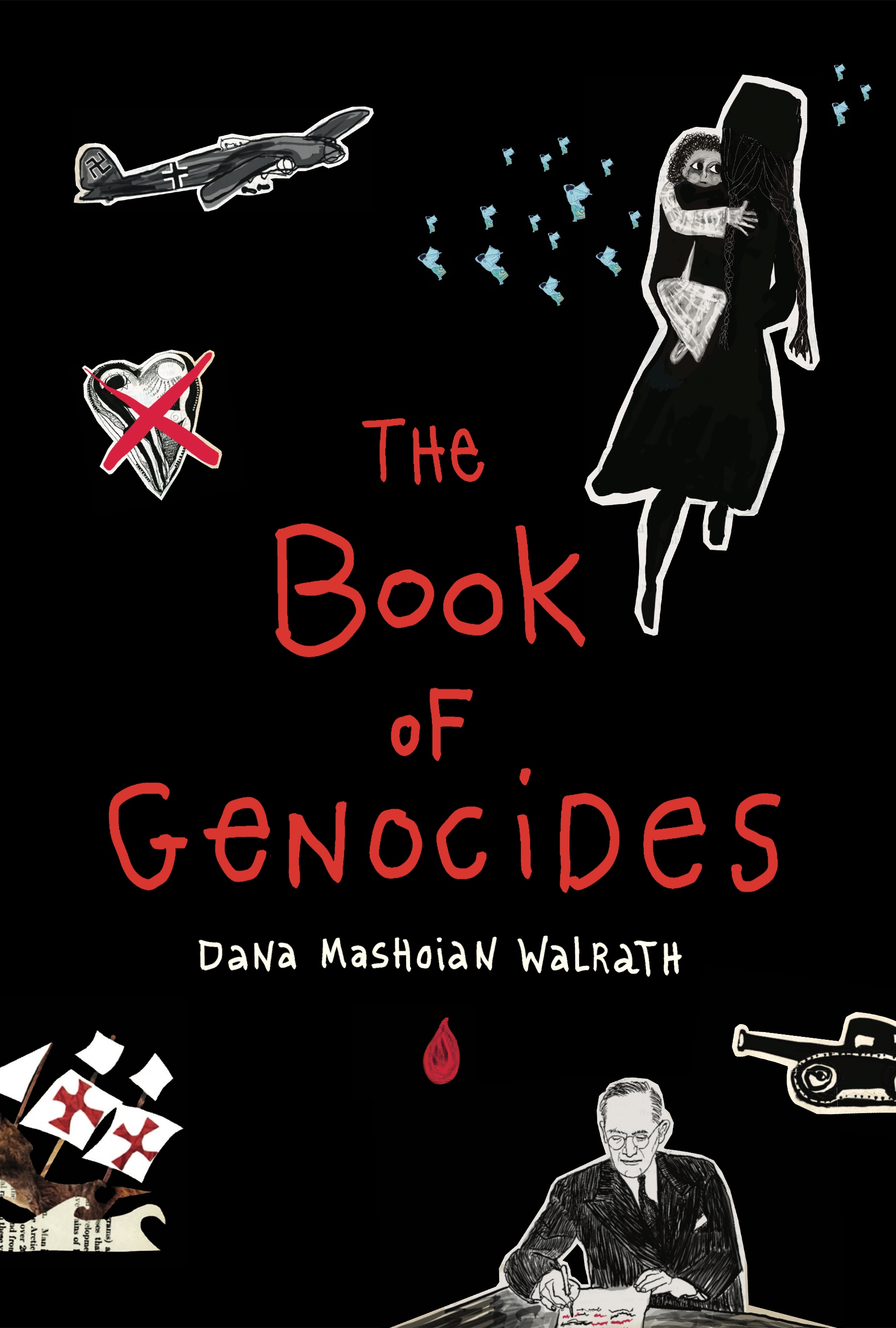
Dana had already created an interactive art installation-turned-disaster-comic, “The Book of Genocides,” and wanted to know whether she could translate it into a virtual reality experience. Yet, she questioned whether genocide would be too difficult a subject for an immersive medium like VR. She raised this concern during the Zoom session, saying, “I work on genocide: How can we possibly approach this in VR?” A guest and friend of the Atlantic Institute, Shari Frilot, offered a simple response, “Trust your filmmaker.”
Dylan, a documentary filmmaker and lecturer based in South Africa, had spoken at an earlier session about his acclaimed 360 VR film “Azibuye: The Occupation,” which focuses on homelessness. Sensing he might be a potential collaborator, Dana asked him, “Are you game?”
That was the starting point of their five-year collaboration. They met regularly online to brainstorm ideas, exchange readings and talk about global issues that particularly resonated with them.
Supported by the Atlantic Institute, the pair worked together in South Africa and the United States. In 2023, they workshopped the concept of a VR experience centered on genocide at an Atlantic Institute XR residency in Oxford, listening to feedback from Atlantic Fellow for Social Equity Indu Balachandran, Atlantic Fellow for Health Equity Global Danielle Woodhouse Johnson, and Atlantic Fellows for Racial Equity Nasser Eledroos and Sarah Summers.
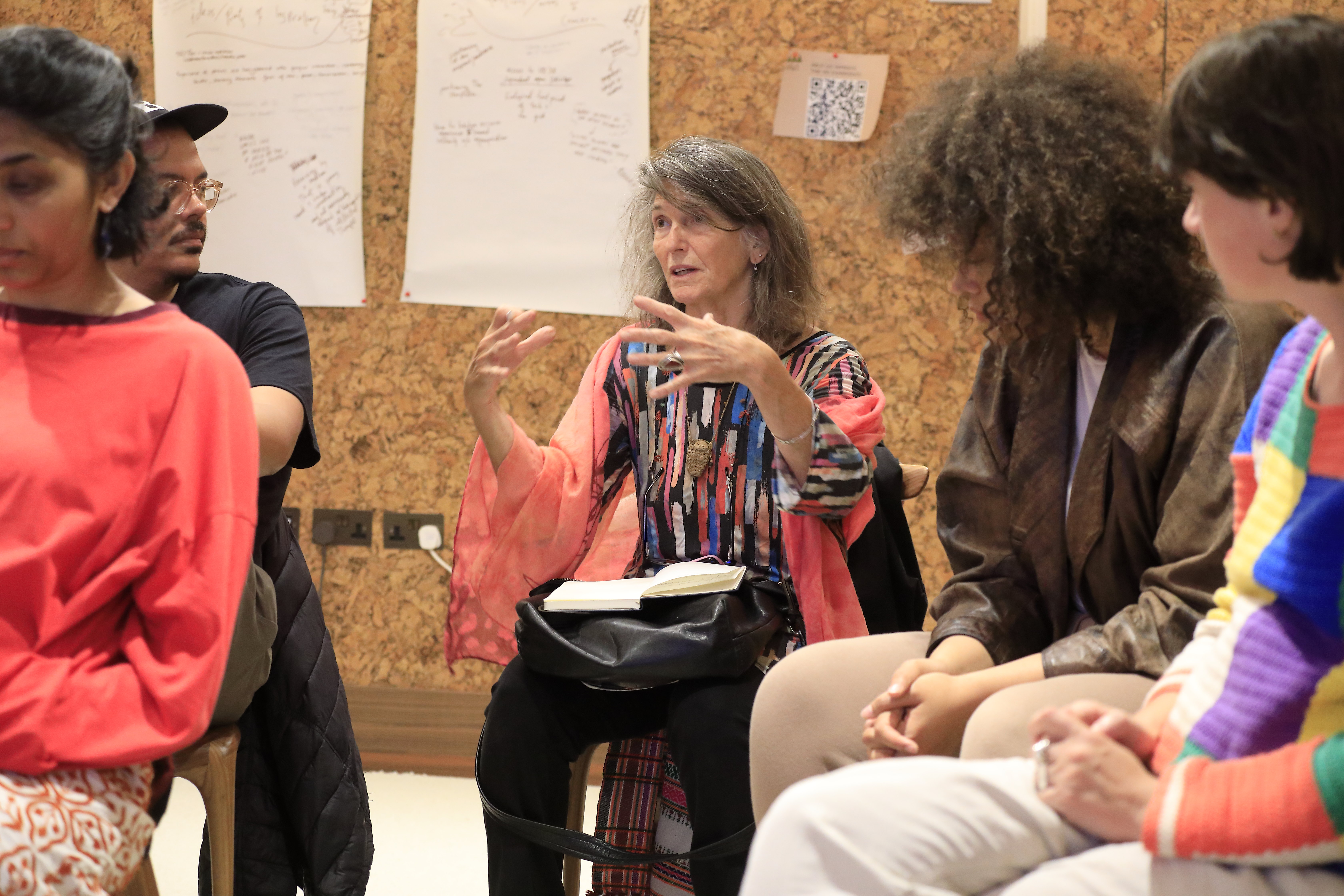
After the residency, Nasser — a public interest technologist focused on human rights — offered his support to the project. Their creative team continued to grow as Atlantic Fellow for Racial Equity and South African musician, Bongiwe Lusizi, became the lead musician on the project and Atlantic Fellow for Racial Equity, scholar and activist, Wilneida Negron, hosted discussions with ethics leaders in New York City to help shape the concept behind the experience.
“We had decided we would do this project together in that first Zoom meeting,” Dana said. “Over time, it was a matter of how. I knew we had to include the genocides that took place during the colonization of South Africa that Dylan’s ancestors had experienced. He was adamant that my family’s story, the Armenian genocide, stay central to our work. Together, these gave us the credibility to speak about the injustices and violence still taking place today.”
Atlantic Fellow for Racial Equity, Neo Muyanga, a multimedia artist and one of South Africa’s leading composers, introduced the team and the VR project to The Centre for the Less Good Idea, creating the opportunity to incubate the VR project while in residence there and to create a 2D animation, titled “Between the Wall and the Sides.”
.jpg)
Hosted by the Atlantic Institute, Dana, Dylan and Nasser spent a further week at the XR Lab at Rhodes House, Oxford, building their story as they prepared for production. Dana joined the team in South Africa for the first three months of production, which included working with |Xam people to learn their stories and experience the rock art created by their ancestors. From their respective home countries, they completed their VR Beta Build, “Girl Earth Fire Time,” in June 2025 before testing it with other Fellows across the programs. At a screening of the VR experience by the Atlantic Fellows for Social and Economic Equity program based in London, one Fellow — writer, artist and activist, Esther Muwema — recognized the project's promise and championed their work for consideration by the Ars Electronica selection committee.
True to Chuck Feeney’s vision, the project brought people together who might otherwise not have crossed paths. Fellows across the Atlantic community offered their feedback and ideas during the research and development stage.
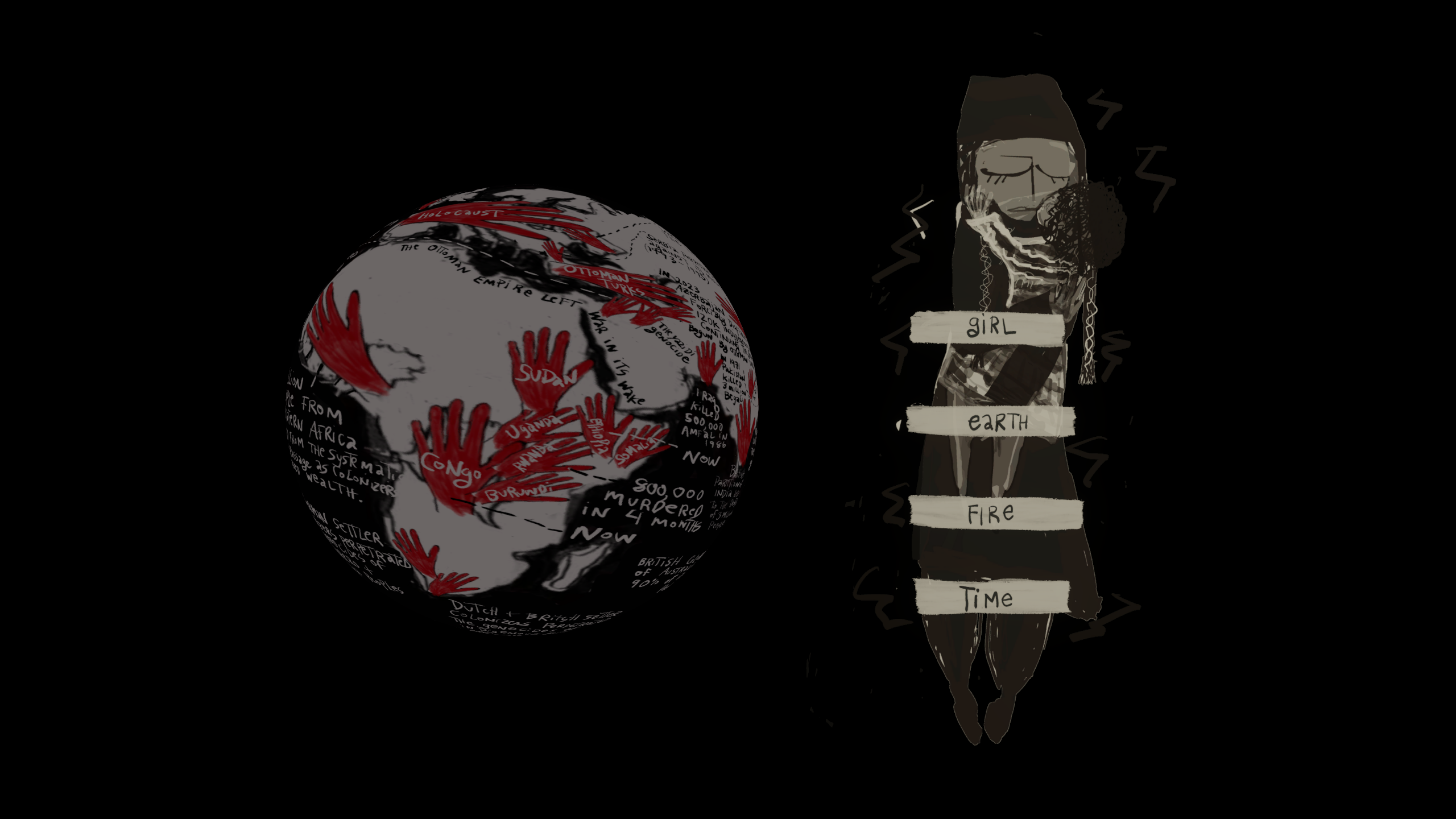
Genocide is one of the weightiest topics artists could ever explore. However, “Girl Earth Fire Time” invites audiences to imagine new possibilities, new systems and new ways of breaking cycles of harm.
The project stands as a powerful example of what can emerge when Fellows connect across disciplines and borders. Dana reflects on their journey, leaving the final word: “It really is this glorious story of how the Atlantic Institute brought people together to make something happen.”
Featured Fellows
Dana Mashoian Walrath is an Atlantic Fellow for Equity in Brain Health, a writer, artist and anthropologist. Her award-winning works include Aliceheimer’s, a graphic memoir about her mother’s dementia journey, and Like Water on Stone, a verse novel about the Armenian genocide, and The Book of Genocides. Her comics, art, essays, and poetry have been featured by The Nation, The Lancet, Slate, and on NPR. Practicing a blend of creative writing, comics, art and anthropology, Dana believes in the power of the arts for social change; offering ways to heal from and end global challenges of dehumanization, dementia, racism and genocide.
Dylan Valley is an Atlantic Fellow for Racial Equity, an award-winning filmmaker and educator who sees film as a tool for social change. His virtual reality documentary “Azibuye - The Occupation” premiered at Sundance Film Festival in 2020 and in 2022 he created “No Place But Here”, a virtual reality documentary exploring the housing occupation in Cape Town. He’s also a lecturer at The University of Cape Town’s Centre for Film and Media Studies. He has directed work for Al Jazeera, Arte, and the South African Broadcasting Corporation.
Bongiwe Lusizi is an Atlantic Fellow for Racial Equity and an agro-musicologist, rural activist, sound designer, vocalist, performer and founder of the Mthwakazi Chosi Institute. Her interdisciplinary work explores the intersections of Indigenous knowledge systems, music, ecology, healing and cultural heritage as tools for community empowerment and social transformation.
Nasser Eledroos is an Atlantic Fellow for Racial Equity and a technologist at Suffolk County District Attorney's Office in Massachusetts. Pursuing a commitment, as a public interest technologist, Nasser works to make technology and justice systems work for ordinary people.



.png)
